*DISCLAIMER: This content is NOT intended as a medical advice from a healthcare professional and does NOT serve to replace a healthcare professional’s recommendations, as professional care providers are the most reliable source of health-related information. This post serves ONLY as general information.
In case you are experiencing any health concerns, please contact a regulated healthcare professional in your region.
Introduction
As the cold season rolls in, so do rainy days, snowy driveways, and an increased risk of exposure to viruses like the common cold, influenza, and more serious respiratory illnesses. For those on a pregnancy journey, this time of year can bring additional concerns—how do you protect yourself and your baby from seasonal infections?
In this post, we’ll explore how to protect yourself and the role of immunization during pregnancy in keeping both mother and baby safe.
Why Do We Get Sick
Ever wonder why colds and flus peak in the cold season? Several factors play a role:
- More time spent indoors in close contact with others
- Poor ventilation in crowded spaces
- Dry air that weakens your nasal defences
- Some viruses survive longer in cooler temperatures
- Together, these create the perfect storm for respiratory infections.
Everyday Prevention Tips for Expectant Moms
The good news is that reducing the risk of respiratory diseases begins by making small changes in these habits.
These changes include:
- Wash your hands often
- Keep rooms well ventilated
- Maintain distance in crowded places
- Cover coughs and sneezes
- Clean frequently touched surfaces
- Wear a mask in public if you or a loved one have symptoms
Managing Symptoms Safely During Pregnancy
Even with the best prevention, sometimes illness happens. If you’re pregnant, it’s important to manage symptoms carefully and know when to seek help:
- Stay hydrated – water and warm teas are best (skip alcohol).
- Watch for red flags – shortness of breath, bloody sputum, high fevers, or changes in the fetal movement may require immediate medical attention.
- Call your healthcare provider if symptoms worsen or don’t improve within a few days.
- At-home COVID-19 tests can help guide next steps.
- Mild symptom relief: honey and lemon tea, salt-water gargles, or nasal saline sprays.
- Over-the-counter relief: medications like Tylenol (always check with your provider).
- Please keep in mind that Advil is generally NOT considered safe to use during pregnancy.
- Remember, when in doubt, reach out to your healthcare provider early.
Vaccination: Extra Protection for Mom and Baby
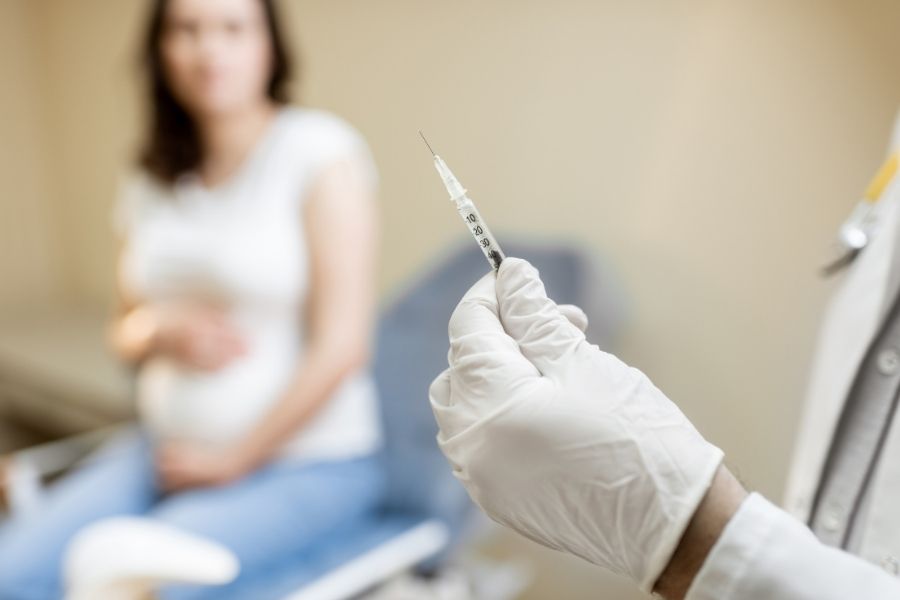
While most colds pass quickly, some viruses—Influenza, RSV (Respiratory Syncytial Virus), and COVID-19—can cause severe illness, particularly in pregnant women and newborns. Vaccination plays a key role in preventing hospitalizations and complications.
- Flu Vaccine: Updated yearly, recommended for everyone 6 months and older. Usually available from October at pharmacies and clinics. It can safely be administered during pregnancy.
- COVID-19 Vaccine: Updated to target new variants. At-risk groups may need two doses per year.
- RSV Vaccines
Abrysvo: For pregnant women (32–36 weeks) and adults: Protects both mother and newborn, possibly covering subsequent pregnancies. Babies born to immunized mothers often do not require passive immunization, unless in specific situation, such as giving birth in less than 14 days after mothers vaccination.
Beyfortus: For newborns: Passive immunization may be offered at discharge if the mother was not vaccinated during pregnancy. This means directly providing the baby with the required antibodies to combat the disease, because the baby’s immune system is not yet developed enough to produce them on its own.
Your healthcare provider can guide you on the right timing and options based on your pregnancy and health needs.
Final Thoughts
Preparing for the cold season means more than bundling up in warm clothes—it’s about safeguarding your health and your baby’s. By practicing good hygiene, staying alert to symptoms, and keeping up with recommended vaccinations, you can reduce your risk of serious illness this winter. Your healthcare provider is the most reliable source of information and individual recommendations on your immunity.
Have you received a vaccine during pregnancy, or do you have concerns about winter illnesses? Share your experience in the comments—or take our quick questionnaire to help shape future resources for expectant parents.